October 6, 2026
The demand for affordable and flexible housing solutions has become increasingly prominent in recent years. Economic challenges, evolving lifestyle preferences, rising construction expenses, and demographic shifts have encouraged people to reconsider what homeownership should look like. As traditional housing becomes less accessible and more costly in many areas, alternatives like mobile homes are capturing attention. These residences can provide cost-effectiveness, adaptable layouts, efficient construction, and opportunities for environmentally conscious living. Understanding how alternative housing can address changing residential needs is important for homeowners, developers, and communities planning for future growth.
Tracing the Evolution of Mobile Homes
Mobile homes have transformed significantly from the simple travel trailers that became popular during the early decades of the twentieth century. Initially associated with temporary travel and recreation, these structures gradually developed into more substantial residences as demand for affordable housing increased. The postwar housing shortage helped accelerate their adoption, demonstrating that factory-built residences could serve as practical long-term housing rather than merely temporary accommodations.
A major turning point occurred when federal construction and safety standards were introduced. According to the U.S. Department of Housing and Urban Development, on June 15, 1976, the federal HUD code took effect, introducing rigorous, uniform standards for design, fire safety, wind resistance, and energy efficiency. As manufacturing practices improved, factory-built housing became increasingly sophisticated. Better materials, stronger construction techniques, and more thoughtful floor plans helped change public perceptions while providing residents with safer and more comfortable living environments.
Advancing Design and Construction
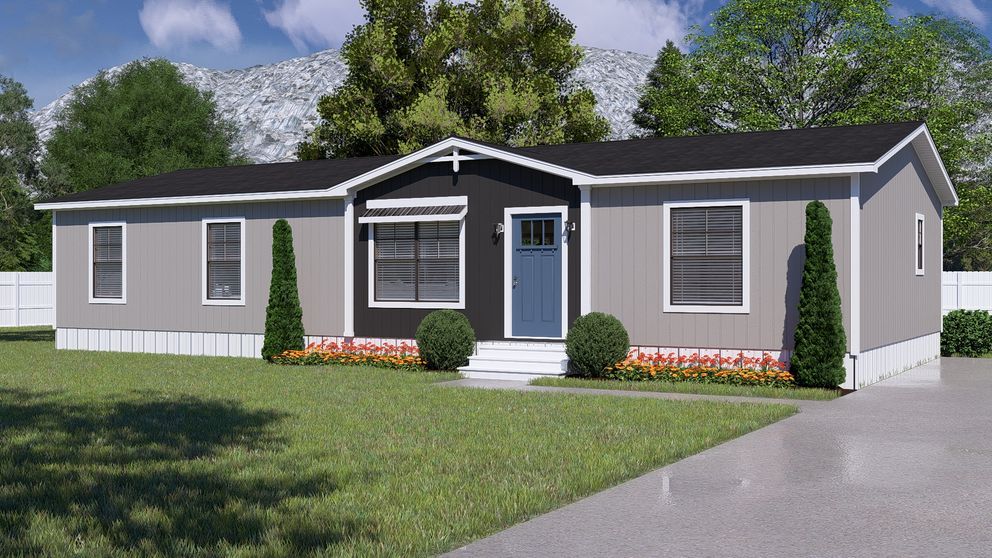
Modern manufacturing techniques have dramatically expanded the design possibilities available to homeowners. Today's residences may include spacious kitchens, upgraded flooring, attractive exterior finishes, energy-efficient windows, contemporary bathrooms, and flexible living spaces. Buyers can often select layouts, fixtures, cabinetry, appliances, and other features that complement their lifestyles. These choices allow mobile homes to provide considerably more personalization than the basic models commonly associated with previous generations.
Construction improvements also contribute to durability and long-term comfort. Factory-controlled environments can help manufacturers maintain consistent processes while protecting building materials from prolonged exposure to rain and other weather conditions during assembly. Improved insulation, roofing materials, windows, and mechanical systems can further enhance residential performance. These advancements demonstrate how thoughtful construction can combine affordability with features that meet modern expectations.
Integrating Technology Into Everyday Living
Technology is becoming another important component of factory-built housing. Smart thermostats, automated lighting, security equipment, connected appliances, and energy-monitoring systems can give residents greater control over their homes. These technologies may improve convenience while helping households monitor energy consumption and identify opportunities to reduce unnecessary utility expenses.
Technology also supports more efficient use of available space. Compact appliances, multifunctional furniture, built-in storage, and carefully planned layouts can make smaller residences feel organized and comfortable. Rather than simply increasing square footage, designers can concentrate on making every area useful. This emphasis on efficient living reflects changing consumer preferences toward manageable spaces that require fewer resources to operate and maintain.
Understanding Regulatory Changes
Regulations have played an important role in shaping the industry. Federal construction standards created more consistent requirements for manufactured housing, while state and local governments may establish additional rules concerning installation, zoning, utilities, foundations, and community development. Understanding these requirements is important because regulations can influence where a residence may be placed and what preparation is necessary before installation.
Regulatory improvements can also strengthen consumer confidence in mobile homes by establishing expectations for construction and safety. However, zoning restrictions, land availability, community requirements, and local development policies may still affect accessibility. Homebuyers should therefore investigate local requirements before purchasing property or selecting a home. Careful planning can prevent unexpected complications involving placement, permits, transportation, and utility connections.
Providing Cost-Effective Living Options
Affordability remains one of the primary reasons people consider factory-built housing. Conventional home construction can involve substantial expenses related to land, labor, materials, permitting, and lengthy construction schedules. Factory production can streamline portions of this process, potentially creating opportunities for buyers who might otherwise struggle to enter the housing market.
Lower initial costs can be particularly valuable for first-time buyers, retirees, growing families, and households seeking to control monthly expenses. Mobile homes may also provide opportunities to obtain modern amenities without assuming the financial obligations associated with a significantly larger conventional property. Actual ownership costs vary considerably depending on financing, land ownership, community fees, insurance, taxes, utilities, and maintenance, making it important for buyers to evaluate the complete financial picture.
Managing Maintenance and Operating Expenses
A smaller residential footprint can make routine upkeep more manageable. Less interior and exterior space may mean fewer surfaces to clean, repair, heat, and cool. Modern materials can also simplify maintenance when homeowners follow manufacturer recommendations and address minor concerns promptly. Regular inspections of roofing, siding, plumbing, heating, cooling, and foundation or support components remain important for protecting the residence over time.
Energy efficiency can further influence ongoing expenses. Insulation, efficient windows, modern HVAC equipment, LED lighting, and energy-conscious appliances may reduce consumption compared with older housing. Residents can improve performance further by maintaining mechanical equipment, sealing air leaks, monitoring utility usage, and selecting efficient replacement products when upgrades become necessary.
Exploring Financing and Ownership Costs
Financing is an important consideration for anyone evaluating mobile homes. Available financing can depend on factors such as the home's classification, age, location, foundation, land ownership, credit qualifications, and lender requirements. Some buyers may qualify for mortgage-style financing under appropriate circumstances, while others may explore specialized manufactured-home loans or other financing arrangements.
Prospective buyers should compare interest rates, loan terms, down-payment requirements, insurance expenses, taxes, community fees, and expected maintenance before making a decision. Looking exclusively at the purchase price can provide an incomplete understanding of affordability. Evaluating total monthly and long-term expenses makes it easier to determine whether a particular property aligns with household financial goals.
Supporting Affordable Housing Strategies
Housing affordability remains a challenge for communities facing rising property values, construction expenses, and rental costs. Factory-built residences can contribute another option within a broader housing strategy. Efficient production methods may allow new housing to be completed more quickly than certain forms of site-built construction, helping communities expand residential inventory when suitable land and infrastructure are available.
Mobile homes can be particularly valuable when communities create thoughtful policies concerning placement, transportation access, utilities, and neighborhood services. Successful developments require more than simply adding residential units. Residents also need reasonable access to employment, healthcare, schools, grocery stores, recreation, and other essential resources. Coordinated planning can help affordable housing become part of a stable and connected community.
Offering Customization and Personalization
Customization gives buyers opportunities to create spaces suited to their individual needs. Depending on the manufacturer and model, homeowners may be able to select floor plans, exterior finishes, flooring, cabinetry, countertops, fixtures, storage solutions, and accessibility features. Families may prioritize additional bedrooms and storage, while retirees may prefer simplified layouts and features designed to support comfortable aging.
Accessibility modifications can make residences practical for people with varying mobility requirements. Wider doorways, accessible showers, carefully positioned fixtures, ramps, and open floor plans may improve independence and safety. Planning these features during the design process can be easier than modifying a completed residence later, especially when long-term occupancy is anticipated.
Mobile homes demonstrate how residential construction can evolve alongside changing economic and social conditions. Their combination of efficient production, customizable features, manageable living spaces, and potentially lower costs makes them an important part of broader housing discussions. When buyers carefully consider financing, location, regulations, maintenance, and long-term goals, this housing option can provide a practical path toward comfortable and sustainable homeownership. Contact our team at Tandem Home Center today and learn more about our mobile home services.